
Because nothing says “green future” like slashing prices and stockpiling unsold cars.
Here we go…..everyone’s in the motor trade has an opinion on this topic, and also… everyone in the local pub for that matter.
The early adopters love EVs. Some people can’t stand the idea. And then there’s the rest, still wondering what the hell to do. (Oh, and don’t forget the hydrogen crowd — convinced it’s the real answer. Plus the ones certain the government’s hiding some secret super fuel.) Honestly? I’m not even saying they’re wrong.
Lets Torque about it!
Used EV Values — How Fast They’re Dropping and Why?
Used EV prices in the UK have fallen off a cliff. Cars that were retailing for £35k two years ago are now struggling to fetch £20k on forecourts. Why? A flood of ex-fleet and lease returns, uncertainty around battery health, and slow retail appetite are all driving down values fast. the dealer network are cautious, and private buyers aren’t exactly queueing up either. The dream of strong EV residuals? For now, that’s firmly in the bin.
Manufacturers Pulling Back & Slowing Down EV Investment
After years of shouting about an all-electric future, the tone has shifted. some are dialling back European EV targets, some are talking cost cuts, along with others gambling hitting their ZEV targets in future years to avoid fines, Why? Slower-than-expected demand, pressure on profits, and a hard truth setting in: most private buyers aren’t ready to go fully electric yet. The EV party’s not over, but the lights are definitely flickering.
UK EV Sales Trends — Are Private Buyers Drying Up?
Fleet and business buyers are still propping up EV registrations, but private demand? That’s wobbling. With fewer incentives, rising electricity prices, and growing concerns about depreciation, many UK drivers are holding off. EVs are still selling — just not to the people who actually live on your street. The retail side of the revolution is stuck in traffic.
Hydrogen vs. Battery EVs — Who’s Backing What?
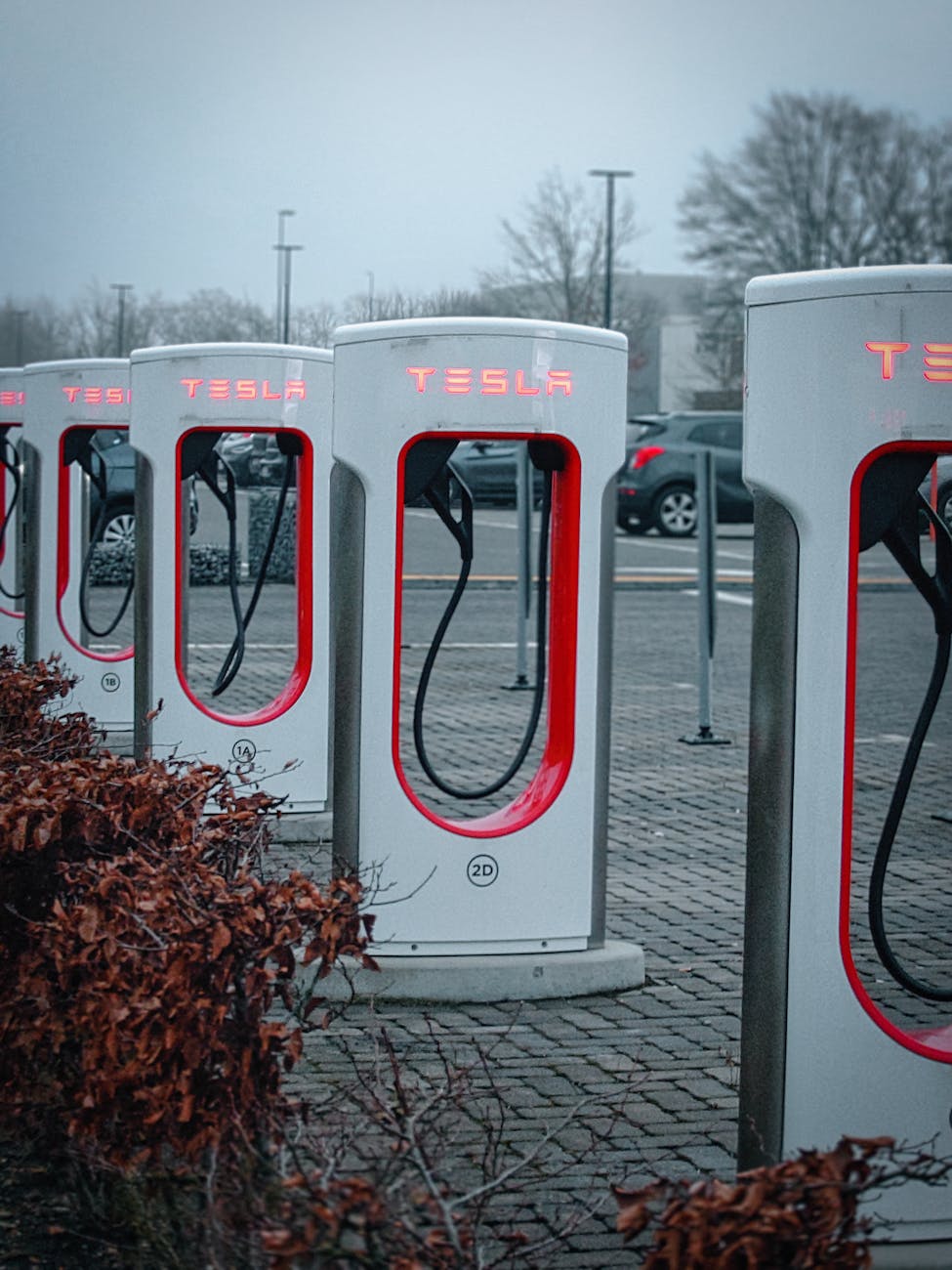
In the UK, battery EVs have won the early rounds. Expanding charging networks (well more than Hydrogen), and big-name backing. Hydrogen? Still barely off the start line. With just two public hydrogen stations and almost zero support from UK infrastructure, it’s more of a concept than a competitor. Great tech, but without investment, it’s going nowhere fast.
Conspiracy Corner — Secret Fuels, Lobby Pressure & The Hidden Agenda
Some say the EV transition is being quietly sabotaged. Oil lobbyists, supply chain pressure, and a general lack of urgency from governments all play a role. Others reckon hydrogen was shelved too early — or that a better, cleaner tech already exists and we’re just not being told. Sound far-fetched? Maybe. But when you look at how slow and messy the “revolution” has been, it does make you wonder who’s really driving the change.
Remember when the government promised to make going electric easy? Yeah, about that…
First, they pledged 300,000 public chargers by 2030 — but with only a fifth of that number installed and vast areas of the UK still charger-less, it’s clear that during the rolling start they accidentally stalled. Then came the cuts: the plug-in car grant quietly disappeared, home charger grants were pulled, and now in 2025, EVs are facing the very taxes they were supposed to avoid. From April, electric vehicles pay Vehicle Excise Duty, and anything over £40k gets slapped with the luxury car tax — which, let’s be honest, includes most new EVs on sale today. So the message is: buy electric, pay more, and good luck finding somewhere to charge it. If this is the big push for electrification, it’s starting to feel more like a gentle shove into a brick wall without your emergency breaking tuned assist turned on.
I’ll be honest, working in the motor trade with a ZEV mandate to hit, some of our margin now tied to EV targets, and the constant pressure to keep the brand happy… I want this to work. But I’m not sure those are the right reasons to be cheering on the electric revolution. So who actually holds the key to making EVs a true success in the UK? Is it the manufacturers, the dealers, or the government? Genuinely curious……. what do you think?






 Torque & Coffee
Leave a comment